
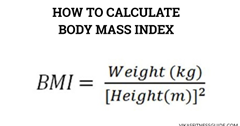
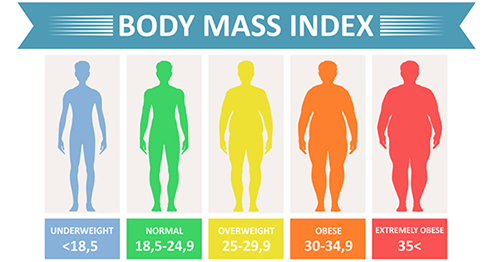
First thing’s first, what is Obesity? Obesity is defined as an abnormal accumulation of fat within the body of a living organism. A general rule of thumb that is used to measure the obesity levels in a certain population is by using the BMI (Body Mass Index) scale.
In this segment, we will be covering a few of the most frequently asked questions when it comes to Obesity.
- What causes obesity?
Obesity mainly results from the energy levels imbalance (Energy = Calories) Hence, the high influx of calories and a low amount of caloric expenditure.
- Factors that affect Caloric Levels in our body?
Generally the age, gender and person’s metabolic state are key factors that affect caloric levels. In order to shed those excess pounds, one must first create a caloric deficit. What that means is that our Caloric Expenditure should outweigh our Caloric Intake.
- What does it mean by the term “Physical Activity” and “Exercise”? Is there a difference?
Though people often use physical activity and exercise interchangeably, they have different definitions. “Physical activity” refers to any body movement that burns calories, whether it’s for work or play, daily chores, or the daily commute. “Exercise,” basically a subcategory of physical activity, refers to -planned, structured, and repetitive- activities aimed at improving physical fitness and health.
- What’s so bad about being Obese?
Obesity leads to Diabetes Mellitus (Type 2 mainly), Hypertension and Cardiovascular issues. These issues may sound trivial as majority of people around us are having those diseases but these diseases will ultimately lead to death.
In Malaysia, based on the National Health and Morbidity Survey (2019) findings, 50.1% of the citizens of Malaysia fall within the range of Overweight and Obese. With 30.4% are Overweight and 19.7% are Obese.
- Exercises that will help in Caloric Expenditure
Has anyone told you that doing cardiovascular exercises (“Cardio” as they call it) will help you drop your weight? Well, they’re not entirely wrong. The biggest misconception regarding this matter is that doing Cardio exercises will most definitely increases your caloric expenditure and more often or not people tend to forget about Weight Training. Cardio only works to a certain amount of caloric expenditure, once it reaches that stage, it will be in a plateau phase. So in other words, you can go hours and hours on a Treadmill but in the end you just can’t seem to shake off the excess fat that you have hanging around. Below would be a list of exercises that have been proven to increase caloric expenditure and help you reach your caloric deficit.
Cardio :
- Jumping Jacks & Burpees (10-12 calories/minute)
- Jogging (10-15 calories/minute)
Weight training :
- Weighted squats (12 calories/minute)
- Bench Press (8-10 calories/minute)
- How is Weight training different from Cardio exercises?
Yes weight training and cardio exercises have the same amount of caloric expenditure. But here’s where it gets interesting. When doing Cardio exercises, your caloric expenditure stops once you stop your exercise. Whereas when it comes to weight training, your muscles that you have hypertrophied from your workout will cause a surge in metabolic demand even when at rest. This would provide with a long term solution when it comes to caloric expenditure in order for you to reach your caloric deficit that is needed for you to shed off those excess calories!
References :
- Physical Activity. (2016, April 12). Retrieved November 21, 2020, from https://www.hsph.harvard.edu/obesity-prevention-source/obesity-causes/physical-activity-and-obesity/